
Many Swedes use mouthwash daily as part of their daily routine. It is said that mouthwash is a good supplement to toothbrushing that can reduce the risk of gingivitis and other dental issues. But how much do you actually know about mouthwash? Here we list 6 myths about mouthwash that you should consider before cleaning your teeth.
1. All mouthwash products are equally effective
Today, there is a vast array of different mouthwashes on the market, and many believe that all products are more or less equally effective. However, do not be misled by advertising. Mouthwash can be divided into two categories: cosmetic and therapeutic. Cosmetic mouthwash helps remove food particles from your teeth, reduces bacteria, and temporarily eliminates bad breath, but these products cannot promise more than that.
A therapeutic mouthwash, on the other hand, contains active ingredients such as essential oils, chlorhexidine, and fluoride, which are proven to reduce plaque and decrease the risk of cavities. Therefore, always choose your mouthwash with care and read the list of ingredients before purchasing.
2. Mouth rinsing is gentle on your teeth
Unfortunately, there are many mouthwashes on the market that contain high amounts of alcohol. Long-term use of these products can cause dry mouth, which can lead to bad breath and irritate oral tissues. Furthermore, there are studies showing a link between mouthwash with high alcohol content and oral cancer. However, these studies are limited, and many experts state that there is insufficient evidence to draw this conclusion.
If you are concerned about side effects, you can purchase alcohol-free rinses in many stores. However, keep in mind that there are other ingredients that can also cause damage to your teeth and gums. Chlorhexidine is often marketed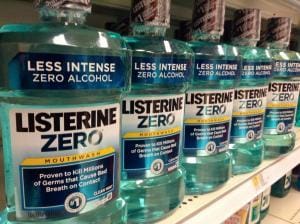 as a gentle ingredient with positive properties, but it can impair your taste buds in the long term.
3. Mouthwash eliminates bad breath
One of the most common reasons for using mouthwash is to eliminate bad breath. However, bad breath from food, for example, originates from your lungs, and mouth rinsing can thus only temporarily remove bad breath. Additionally, saliva can cause bad breath. When you use a rinse, proteins from saliva can mix with the mouthwash and reduce the effectiveness of the active ingredients.
4. A good mouthwash can replace regular toothbrushing
Studies show that mouth rinsing can improve your oral hygiene and reduce the risk of gingivitis. But be careful; a rinse can never replace regular toothbrushing. Using a toothbrush and dental floss twice a day reduces more plaque and impurities than using mouthwash alone. Therefore, remember to use mouthwash only as a supplement to toothbrushing.
5. A quick rinse is sufficient
Do you usually spit out your mouthwash after just a few seconds? If so, you are not alone. Many find mouthwash to be strong and stinging to the gums. However, to get the most out of your mouthwash, you should rinse for at least 30 seconds before spitting. This allows the active ingredients to work and ensures your mouth becomes cleaner.